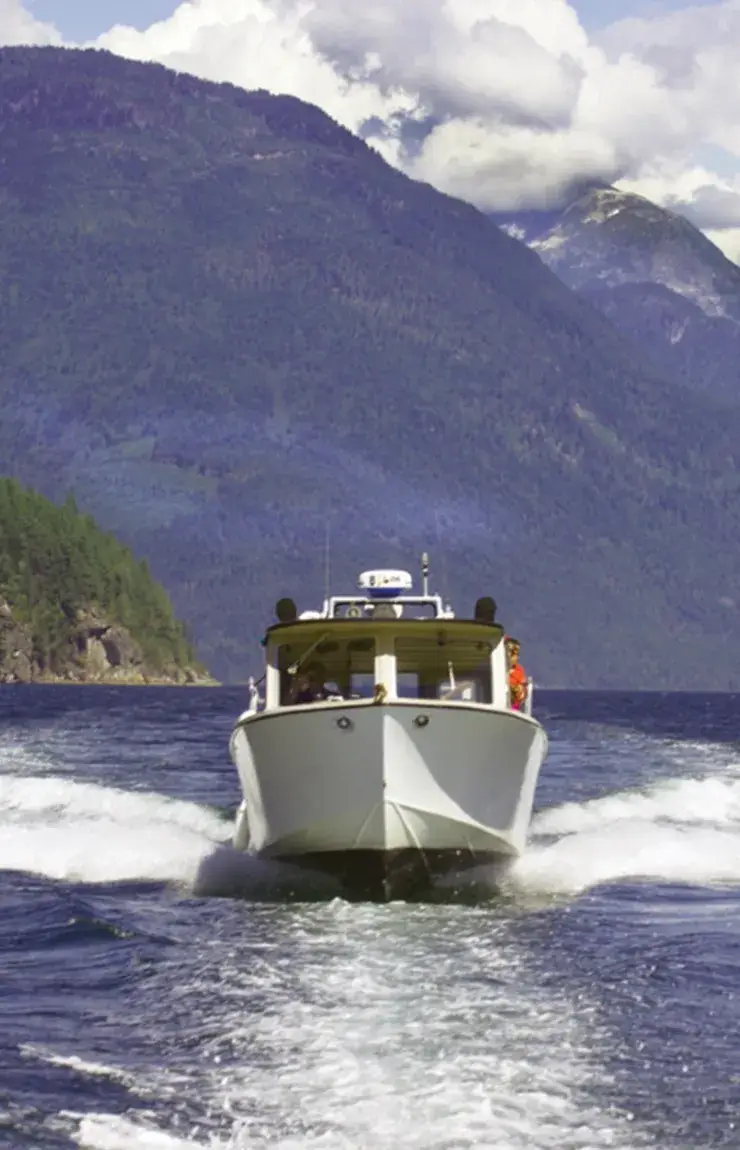
Travel and Tours in Brisbane!

Redlands
- Home
- >
- Redlands
Brisbane Destination
Redlands
Redlands blends bayside living, green conservation areas, and heritage towns with space for farming, wetlands, and coastal trails. Its signature red soils, once prized for farming red cedar in the 1800s, still underpin its historic character and name Areas like Cleveland, Victoria Point, Wellington Point, and Redland Bay offer leafy streetscapes, waterfront reserves, and strong local identity.
Manly’s heart beats along Cambridge Parade, where cafés, boutique shops, and restaurants spill out onto the streets. The suburb’s crown jewel is Manly Harbour Village—home to one of Australia’s largest boat harbours, the Royal Queensland Yacht Squadron, and a lively foreshore lined with picnic spots, playgrounds, and walking paths.
- Relaxed & Friendly: Life here moves at a gentler pace, with locals greeting each other by name.
- Water-Oriented: Sailing, fishing, paddle boarding, and waterfront dining are part of daily life.
- Market Culture: The Manly Creative Markets every Sunday showcase artisan goods, fresh produce, and live music, enhancing the village atmosphere.
Manly’s esplanade offers a scenic walkway and cycle path stretching to Wynnum, perfect for morning jogs or sunset strolls. The Moreton Bay Marine Park lies just offshore, providing opportunities for whale watching, island hopping, and exploring unique coastal ecosystems.
Thanks to its bayfront location, Manly enjoys milder temperatures than inland Brisbane, with refreshing sea breezes in summer and gentle winters. This makes it a year-round outdoor playground.
- Sailing Capital: A hub for yacht races and boating enthusiasts.
- Food Scene: From casual fish and chips to upscale dining with marina views.
- Events: Regular festivals, markets, and regattas that bring the community together.
- Gateway to Moreton Bay: Ideal starting point for exploring islands like North Stradbroke and Moreton Island.
Redlands blends bayside living, green conservation areas, and heritage towns with space for farming, wetlands, and coastal trails. Its signature red soils, once prized for farming red cedar in the 1800s, still underpin its historic character and name.
Areas like Cleveland, Victoria Point, Wellington Point, and Redland Bay offer leafy streetscapes, waterfront reserves, and strong local identity.
With train lines, ferry routes, and road connections—including the Cleveland railway line, Gateway Motorway, and regular bypass services—Redlands offers excellent access to Brisbane, Moreton Bay, and nearby islands. Land-based and maritime transport weave together islands like Coochiemudlo and Russell Island with mainland suburbs for tourism and commuting.
Healthcare is anchored by Redland Hospital in Cleveland, supported by private clinics and aged‑care facilities across the region. The city also showcases cultural heritage at the Redlands Coast Museum in Cleveland, home to over 20,000 historical items and exhibitions on pioneer life, toys, and local legends.
Redland City’s economy thrives on healthcare, retail, education, construction, and tourism, employing over 50,000 locals. Its gross regional product reached approximately A$7.4 billion in 2023, supported by vibrant business precincts at Cleveland, Capalaba, and Redland Bay.
ReResidential zones like Wellington Point, Redland Bay, and Thornlands have seen property values surge by over 30 % between 2021 and 2023, reflecting the area’s appeal among homeowners.
Tourism centers on tranquil seaside villages, museum heritage tours, marina precincts, and ferry access to North Stradbroke Island—a top destination for beach lovers and nature seekers.
Other highlights include:– **Raby Bay Harbour & Marina – boutique cafés, waterside dining, and monthly Sunday markets **Cleveland Point Lighthouse – a restored 1865 weatherboard tower with panoramic coastal views over Moreton Bay. Eco‑tourism and koala habitat conservation projects across wetlands and forest reserves.
Redland City, established as a shire in 1949 and later gaining city status in 2008, is led by a progressive council aiming to balance development with environmental sustainability.
Multiple legal challenges have emerged over housing, development density, and koala habitat preservation—underlining the tension between growth and ecological stewardship.
InInfrastructure and master-plan efforts, including redevelopment of Cleveland’s CBD and mixed-use plans, are underway to support long-term community sustainability and regional engagement.
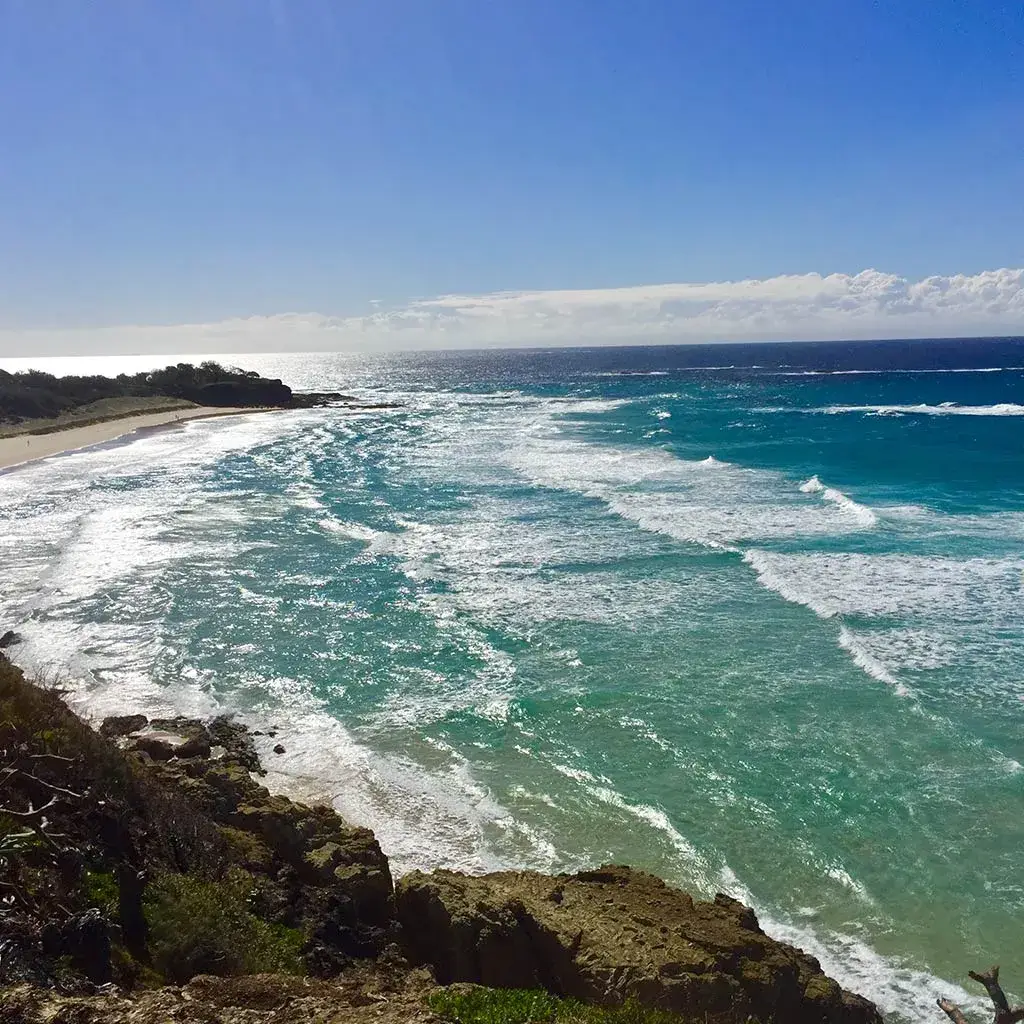
Redland City—commonly referred to as “The Redlands”—is a vibrant coastal region located just 30 minutes southeast of Brisbane, Queensland’s capital. Nestled along the shores of Moreton Bay, Redland is known for its stunning waterfront landscapes, relaxed lifestyle, tight-knit communities, and a unique blend of urban convenience and natural beauty. As one of South East Queensland’s most scenic and culturally rich local government areas, Redland is a place where heritage and progress coexist harmoniously, attracting families, retirees, nature lovers, and entrepreneurs alike.
At the heart of Redland’s identity is its coastal and island geography. The region encompasses not only the mainland suburbs such as Cleveland, Capalaba, Victoria Point, Redland Bay, Thornlands, and Wellington Point, but also the picturesque Southern Moreton Bay Islands, including North Stradbroke Island (Minjerribah), Coochiemudlo Island, Russell Island, Macleay Island, and Lamb Island. These island communities offer a laid-back, nature-immersed lifestyle, while the mainland suburbs provide urban amenities, schools, shopping centres, health services, and reliable transport links.
Historically, Redlands gained its name from the distinctive red volcanic soils that made the area ideal for farming—particularly strawberries, vegetables, and poultry. While agriculture still plays a role, the region has evolved into a dynamic residential and recreational hub. With an estimated population of over 159,000 residents, Redland is one of Queensland’s fastest-growing areas, with infrastructure and housing developments steadily expanding to accommodate its popularity.
The lifestyle in Redlands is a standout feature. Locals enjoy access to tranquil walking trails, wetlands, and nature reserves, many of which are home to native Australian wildlife including koalas, wallabies, sea eagles, and dolphins. Cleveland Point, a historic lighthouse precinct, is a popular destination for fishing, picnics, and coastal dining. The Raby Bay Marina offers vibrant restaurants, cafes, and boutique stores, while Wellington Point is known for its iconic sandbar that lets visitors walk out to King Island at low tide.
Redland City also boasts a strong cultural heartbeat. The Redland Performing Arts Centre (RPAC) in Cleveland hosts theatre, live music, and film screenings, while the Redland Museum preserves and celebrates the city’s rural and Indigenous heritage. Traditional custodians of the land, the Quandamooka People, have deep cultural ties to North Stradbroke Island and surrounding bay areas. Today, their stories, art, and language are respectfully acknowledged and celebrated across the region.
From a tourism perspective, Redlands is a launchpad to the beaches, rainforests, and wildlife of North Stradbroke Island, one of the world’s largest sand islands. Here, visitors can enjoy whale watching, 4WD eco-tours, surfing, cultural walks, and freshwater lakes like Brown Lake (Bummeira). Day trippers and holidaymakers alike are drawn to the islands’ unspoiled beauty, accessible via passenger and vehicle ferries from Toondah Harbour in Cleveland.
Economically, Redland is growing rapidly. Its A$7.4 billion economy is supported by healthcare, education, construction, small business, tourism, and retail. The Redlands Health Precinct and Redland Hospital serve as critical infrastructure for the region. Residential developments are booming, especially in suburbs like Thornlands, Mount Cotton, and Redland Bay, drawing attention from investors and young families seeking affordable coastal living close to Brisbane.
Despite growth pressures, Redland remains committed to sustainability and environmental preservation. Efforts are ongoing to protect koala habitats, manage urban sprawl, and enhance public green spaces. Recent planning has focused on modernising infrastructure while preserving the city’s ecological and cultural assets, including the Toondah Harbour redevelopment project and upgrades to transport, schools, and recreational areas.
Other Things To Do in Redlands

Bajara “Foot Prints” 4WD Cultural Day Tour
The Bajara “Foot Prints” 4WD Cultural Day Tour is a unique experience that combines adventure with deep cultural learning in the stunning Redlands region of Brisbane. Guided by Traditional Custodians, this immersive day tour takes visitors on a journey across rugged island terrain while sharing stories, traditions, and the ancient wisdom of Australia’s First Nations […]

Eataly Discovery Winery Tour & Tasting
The Eataly Discovery Winery Tour & Tasting at Sirromet Winery in Redland Brisbane is a truly immersive wine and dining experience set against the stunning backdrop of Mount Cotton’s rolling vineyards. This 3-hour journey begins with a guided behind-the-scenes winery tour, where guests learn about Sirromet’s winemaking process—from the vineyard to the barrel room. Following […]

Winery Tour & Taste Experience
The Winery Tour & Taste Experience in Redland Brisbane offers a perfect escape into the heart of Queensland’s wine country. Hosted at the award-winning Sirromet Winery, this immersive experience blends scenic beauty, local culture, and exceptional wine craftsmanship. Guests are guided through the winery’s vineyards, production areas, and cellar doors, where they learn about the […]
Coffee Tours Around in Redlands
Nestled between Brisbane and the sparkling shores of Moreton Bay, Redland City is not only a coastal gem but also a rising destination for specialty coffee lovers. Although you won’t find official coffee bus tours just yet, what you will discover is a string of independently owned cafés, boutique roasters, and community-driven coffeehouses that form a scenic, flavourful trail across the region.
Begin your journey in Cleveland, the heart of Redlands, where charming laneways and harborside views welcome you with artisan brews and baked delights. Here you’ll find Bean & Leaf Café, offering smooth espresso blends and lush garden seating—a perfect way to start your morning.

Bean & Leaf Café
Tucked along the leafy corridor of Bloomfield Street in Cleveland, Bean & Leaf Café is more than just a coffee shop—it’s a community cornerstone where local hospitality, culinary care, and coffee craftsmanship converge...

River City Coffee Roasters
Nestled in a sleek, upscale warehouse-style storefront at Unit 5, 30 Shore Street West, Ormiston, River City Coffee Roasters is a specialty coffee destination that blends artisan roasting with a refined café ambiance...

Chiasso Coffee
Located at 172 Redland Bay Road, Capalaba, QLD, Chiasso Coffee Roasters is a family-owned, artisan coffee destination known for its warm hospitality, on-site coffee roasting, and exceptional quality. Established in Brisbane...
 1 Days
Redlands
1 Days
Redlands
1 days
Bajara “Foot Prints” 4WD Cultural Day Tour
The Bajara "Foot Prints" 4WD Cultural Day Tour is a unique experience that combines adventure...
From $389 View More 1 Days
Redlands
1 Days
Redlands
1 days
Eataly Discovery Winery Tour & Tasting
The Eataly Discovery Winery Tour & Tasting at Sirromet Winery in Redland Brisbane is a...
From $91 View More 1 Days
Cellar Door Tasting Bar
Redlands
1 Days
Cellar Door Tasting Bar
Redlands
1 days
Winery Tour & Taste Experience
The Winery Tour & Taste Experience in Redland Brisbane offers a perfect escape into the...
From $55 View MoreWine Tours Around Redlands
While Redlands in Queensland is better known for its coastal charm and natural beauty, it also serves as a gateway to some of South East Queensland’s finest wine experiences. Whether you’re a wine enthusiast or a casual sipper, the region offers intimate cellar door tastings, gourmet pairings, and scenic vineyard settings that rival those of more traditional wine regions—all just under an hour from Brisbane.

Sirromet Tour & Tasting
Nestled in the verdant hills of Mount Cotton—just 20 minutes from Redlands Coast—Sirromet Winery is Queensland’s flagship wine estate, offering immersive behind-the-scenes tours, curated tastings, and elevated dining...
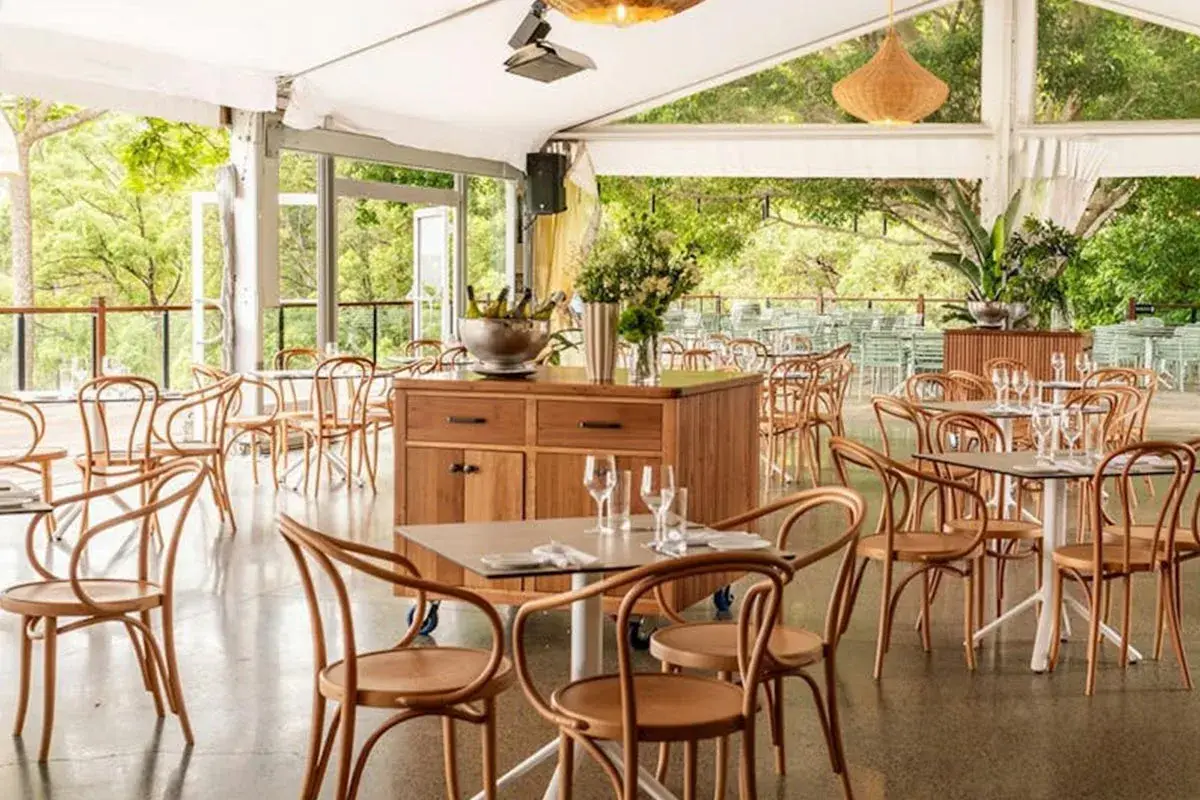
Redlands Wine Trail
Redlands Wine Trail – Sirromet Winery Experience offers an unforgettable escape into Queensland’s premier wine destination, located in Mount Cotton, just 30 minutes from Brisbane. Anchored by Sirromet Wines, the region’s...

Cooee Tours – Sirromet Wine Tour
Hosted by Cooee Tours, this once-in-a-lifetime winery excursion takes place at Sirromet Wines in Mount Cotton—just 30 minutes from Brisbane and the Gold Coast. Cooee Tours is an experienced operator known for...
Weather in Redlands
In Redlands, the summers are hot, arid, and mostly clear and the winters are long, cold, and partly cloudy. Over the course of the year, the temperature typically varies from 42°F to 96°F and is rarely below 34°F or above 103°F.
Based on the tourism score, the best time of year to visit Redlands for warm-weather activities is from late May to mid October.
The Redlands area of Australia generally enjoys a warm, temperate climate with mild winters and hot summers. The best time to visit is generally during the shoulder seasons of spring (September to November) and autumn (March to May), as the weather is pleasant for outdoor activities and the crowds are smaller compared to the peak summer months.
Detailed Climate Information:
-
Summer (December to February):
Expect warm, sunny days with high humidity. Temperatures can reach the high 20s to low 30s Celsius (80s Fahrenheit).
-
Autumn (March to May):
This is a great time to visit, with warm, sunny days and comfortable temperatures. The humidity starts to decrease, making it ideal for outdoor activities.
-
Winter (June to August):
Temperatures are mild during the day, but nights can get cool. It’s a good time for exploring without the summer crowds.
-
Spring (September to November):
Similar to autumn, spring offers pleasant weather with mild temperatures and decreasing humidity.
Specific Considerations for Redlands:
- Humidity: The Redlands area can be humid, especially during the summer months.
- Rainfall: Rainfall is generally higher during the summer months, with a higher chance of storms.
- Outdoor Activities: The best time for enjoying the outdoors, including beaches, parks, and walking trails, is during the spring and autumn months.
In conclusion, while the Redlands area is pleasant year-round, spring and autumn offer the best balance of comfortable weather and fewer crowds, making them ideal times for a visit.
The hot season lasts for 3.1 months, from June 18 to September 22, with an average daily high temperature above 89°F. The hottest month of the year in Redlands is August, with an average high of 95°F and low of 64°F.
The cool season lasts for 3.9 months, from November 22 to March 17, with an average daily high temperature below 71°F. The coldest month of the year in Redlands is December, with an average low of 42°F and high of 65°F.
Redlands, Queensland, Australia, experiences a humid subtropical climate with warm summers and mild winters. The region has a relatively high average humidity and experiences moderate rainfall throughout the year, with the wettest months being January and February.
Key features of the Redlands climate:
-
Warm Summers:
Average high temperatures in the summer (December-February) reach around 84°F (29°C).
-
Mild Winters:
Average high temperatures in the winter (June-August) are around 70°F (21°C).
-
High Humidity:
The average humidity is around 72-75% throughout the year, with slightly higher levels in the summer months.
-
Moderate Rainfall:
Redlands receives a moderate amount of rainfall throughout the year, with the highest amounts typically falling in the summer months.
-
Sunshine:
The region enjoys a good amount of sunshine, with an average of 7-8 hours of sunshine per day during the summer months, according to Time and Date.
-
Potential for Extreme Weather:
While generally mild, the region can experience extreme weather events like heat waves, strong winds, and heavy rainfall during storms.
-
Climate Change Impacts:
There is a general trend of declining rainfall, particularly in the first half of the year, along the east coast, including the Redlands area.
Specific monthly climate details:
-
January:
Warm with high humidity, average high of 84°F (29°C), average low of 71°F (22°C), and high rainfall.
-
February:
Similar to January, with high humidity and rainfall, average high of 84°F (29°C) and average low of 70°F (21°C).
-
March:
Temperatures start to cool down slightly, with average high of 82°F (28°C) and average low of 67°F (19°C).
-
June:
Temperatures continue to cool down, with average high of 70°F (21°C) and average low of 52°F (11°C).
-
July:
The coolest month, with average high of 70°F (21°C) and average low of 49°F (9°C).
-
October:Temperatures start to warm up again, with an average high of 78°F (26°C) and average low of 60°F (16°C), according to Wanderlog.
Manly, Brisbane, enjoys a pleasant subtropical climate that blends warm sunshine, gentle sea breezes, and a relaxed coastal atmosphere. Being right on the shores of Moreton Bay, the weather here is moderated by the ocean, meaning summers are warm without being unbearably hot, and winters are mild with crisp mornings.
Summer (December–February) – Warm and humid, with average daytime temperatures between 27–30 °C (81–86 °F). Afternoon sea breezes keep things comfortable, and occasional tropical storms roll in, often with spectacular lightning over the bay.
Autumn (March–May) – Mild and sunny, perfect for waterfront walks and sailing. Temperatures range from 20–27 °C (68–81 °F), and humidity begins to drop, making outdoor activities more comfortable.
Winter (June–August) – Mild, dry, and sunny, with daytime temperatures around 18–22 °C (64–72 °F). Mornings can be cool (10–12 °C / 50–54 °F), but crisp blue skies are the norm.
Spring (September–November) – Warm and bright, with temperatures climbing back to 24–28 °C (75–82 °F). Light breezes and clear skies make it one of the most pleasant times to visit.
Rainfall is spread across the year but is heaviest in summer, often as short, sharp showers that clear quickly. Thanks to its bayfront position, Manly rarely experiences extreme heat, and the sea breeze adds a refreshing touch even on warmer days. The climate is ideal for boating, fishing, and enjoying outdoor cafes year-round.
Best Times to Visit Manly, Brisbane
Autumn (March – May)
This is arguably the top season for visiting.
Expect mild, comfortable temperatures ranging from about 22 °C to 27 °C (72–81 °F), with lower humidity and fewer rainstorms—ideal for coastal strolls, café hopping, or hinterland adventures.
Attractions are less crowded post-summer, and accommodation and airfare prices typically drop.
TRAVEL.COM®
Virgin Australia
Brisbane Kids
Spring (September – November)
Another excellent time to explore.
Warm days (around 24–28 °C / 75–82 °F), low humidity, and abundant sunshine make outdoor activities delightful.
Manly’s flora comes alive in spring, and the timing aligns with cultural festivities like art and music events.
Family Traveller
My Favourite Escapes
Brisbane Kids
Winter (June – August)
Brisbane winters are mild and dry, with daytime highs of 20–22 °C (68–72 °F) and crisp, cool evenings.
Great for whale watching, visiting markets, or quieter sightseeing days—without the summer heat.
TripSavvy
Daily Telegraph
Brisbane Kids
Summer (December – February)
Hot and humid at around 25–30 °C (77–86 °F), with afternoon thunderstorms common.
This is peak tourist season, meaning crowds and higher prices—but also long sunny days and festive energy.
TripSavvy
My Favourite Escapes
Brisbane Kids
At-a-Glance Season Snapshot
Season Months Why Visit?
Autumn March – May Mild weather, fewer crowds, more affordable
Spring September – Nov Fresh blooms, ideal weather for activities
Winter June – August Dry and mild—great for whale watching & markets
Summer Dec – February Warm and festive—but hot, humid, and crowded
Final Thoughts
For the most balanced experience—comfortable weather, fewer crowds, and good value—autumn (March–May) and spring (September–November) are your best bets for visiting Manly, Brisbane. But thanks to the region’s genial subtropical climate, every season brings its own unique appeal.
Manly, enjoys a humid subtropical climate, meaning it has warm to hot summers, mild winters, and plenty of sunshine year-round. Being right on Moreton Bay, Manly often feels a touch cooler than Brisbane’s inland suburbs thanks to sea breezes.
Average Temperatures by Season
Summer (December – February)
Daytime highs: 27 °C – 30 °C (81 °F – 86 °F)
Night lows: 20 °C – 23 °C (68 °F – 73 °F)
Humid and often sticky, with afternoon thunderstorms bringing short bursts of heavy rain.
Autumn (March – May)
Daytime highs: 22 °C – 28 °C (72 °F – 82 °F)
Night lows: 15 °C – 20 °C (59 °F – 68 °F)
Warm days, comfortable evenings, and humidity gradually decreasing.
Winter (June – August)
Daytime highs: 20 °C – 22 °C (68 °F – 72 °F)
Night lows: 10 °C – 13 °C (50 °F – 55 °F)
Crisp, dry mornings with lots of sunshine—jackets are needed early and late in the day.
Spring (September – November)
Daytime highs: 24 °C – 28 °C (75 °F – 82 °F)
Night lows: 15 °C – 19 °C (59 °F – 66 °F)
Pleasant warmth, low humidity early in the season, gradually rising toward summer.
Temperature Comfort Tips
Summer: Light, breathable clothing is best; pack an umbrella for sudden storms.
Winter: A light jacket or sweater is usually enough—heavy coats are rarely needed.
All Year: Sunscreen is essential due to high UV levels in Queensland.
Manly, has a humid subtropical climate that blends warm, sunny weather with the refreshing influence of Moreton Bay. The seaside location keeps the climate milder than inland Brisbane, with cooling sea breezes in summer and slightly warmer nights in winter.
Seasonal Climate Overview
🌞 Summer (December – February)
Warm to hot and humid, with average highs between 27–30 °C (81–86 °F).
Afternoon sea breezes take the edge off the heat, while short but intense tropical thunderstorms are common.
Nights are mild at 20–23 °C (68–73 °F).
🍂 Autumn (March – May)
Mild, sunny, and less humid, with highs of 22–28 °C (72–82 °F).
The bay is still warm for swimming, sailing, and water sports.
Rainfall decreases compared to summer, making it a popular season for outdoor festivals.
❄ Winter (June – August)
Dry and pleasantly cool, with sunny skies and highs of 20–22 °C (68–72 °F).
Nights can dip to 10–13 °C (50–55 °F), so light jackets are needed in the mornings and evenings.
It’s an ideal time for walking, cycling, and market days without summer humidity.
🌸 Spring (September – November)
Warm and bright, with highs climbing from 24 °C (75 °F) in September to 28 °C (82 °F) in November.
Humidity begins to rise, but sea breezes keep conditions comfortable.
A popular time for sailing events and waterfront dining.
Overall Climate Feel
Rainfall: Around 1,200 mm annually, concentrated in summer thunderstorms.
Sunshine: Manly enjoys over 260 sunny days a year, perfect for outdoor activities.
Breezes: Regular bay winds keep the air fresh and reduce the intensity of heat.
This climate makes Manly a year-round destination for boating, fishing, seaside markets, and wine tours, though autumn and spring are often considered the most comfortable seasons for visitors.
Manly, Brisbane, enjoys a pleasant subtropical climate that blends warm sunshine, gentle sea breezes, and a relaxed coastal atmosphere. Being right on the shores of Moreton Bay, the weather here is moderated by the ocean, meaning summers are warm without being unbearably hot, and winters are mild with crisp mornings.
Summer (December–February) – Warm and humid, with average daytime temperatures between 27–30 °C (81–86 °F). Afternoon sea breezes keep things comfortable, and occasional tropical storms roll in, often with spectacular lightning over the bay.
Autumn (March–May) – Mild and sunny, perfect for waterfront walks and sailing. Temperatures range from 20–27 °C (68–81 °F), and humidity begins to drop, making outdoor activities more comfortable.
Winter (June–August) – Mild, dry, and sunny, with daytime temperatures around 18–22 °C (64–72 °F). Mornings can be cool (10–12 °C / 50–54 °F), but crisp blue skies are the norm.
Spring (September–November) – Warm and bright, with temperatures climbing back to 24–28 °C (75–82 °F). Light breezes and clear skies make it one of the most pleasant times to visit.
Rainfall is spread across the year but is heaviest in summer, often as short, sharp showers that clear quickly. Thanks to its bayfront position, Manly rarely experiences extreme heat, and the sea breeze adds a refreshing touch even on warmer days. The climate is ideal for boating, fishing, and enjoying outdoor cafes year-round.
Best Times to Visit Manly, Brisbane
Autumn (March – May)
This is arguably the top season for visiting.
Expect mild, comfortable temperatures ranging from about 22 °C to 27 °C (72–81 °F), with lower humidity and fewer rainstorms—ideal for coastal strolls, café hopping, or hinterland adventures.
Attractions are less crowded post-summer, and accommodation and airfare prices typically drop.
TRAVEL.COM®
Virgin Australia
Brisbane Kids
Spring (September – November)
Another excellent time to explore.
Warm days (around 24–28 °C / 75–82 °F), low humidity, and abundant sunshine make outdoor activities delightful.
Manly’s flora comes alive in spring, and the timing aligns with cultural festivities like art and music events.
Family Traveller
My Favourite Escapes
Brisbane Kids
Winter (June – August)
Brisbane winters are mild and dry, with daytime highs of 20–22 °C (68–72 °F) and crisp, cool evenings.
Great for whale watching, visiting markets, or quieter sightseeing days—without the summer heat.
TripSavvy
Daily Telegraph
Brisbane Kids
Summer (December – February)
Hot and humid at around 25–30 °C (77–86 °F), with afternoon thunderstorms common.
This is peak tourist season, meaning crowds and higher prices—but also long sunny days and festive energy.
TripSavvy
My Favourite Escapes
Brisbane Kids
At-a-Glance Season Snapshot
Season Months Why Visit?
Autumn March – May Mild weather, fewer crowds, more affordable
Spring September – Nov Fresh blooms, ideal weather for activities
Winter June – August Dry and mild—great for whale watching & markets
Summer Dec – February Warm and festive—but hot, humid, and crowded
Final Thoughts
For the most balanced experience—comfortable weather, fewer crowds, and good value—autumn (March–May) and spring (September–November) are your best bets for visiting Manly, Brisbane. But thanks to the region’s genial subtropical climate, every season brings its own unique appeal.
Manly, enjoys a humid subtropical climate, meaning it has warm to hot summers, mild winters, and plenty of sunshine year-round. Being right on Moreton Bay, Manly often feels a touch cooler than Brisbane’s inland suburbs thanks to sea breezes.
Average Temperatures by Season
Summer (December – February)
Daytime highs: 27 °C – 30 °C (81 °F – 86 °F)
Night lows: 20 °C – 23 °C (68 °F – 73 °F)
Humid and often sticky, with afternoon thunderstorms bringing short bursts of heavy rain.
Autumn (March – May)
Daytime highs: 22 °C – 28 °C (72 °F – 82 °F)
Night lows: 15 °C – 20 °C (59 °F – 68 °F)
Warm days, comfortable evenings, and humidity gradually decreasing.
Winter (June – August)
Daytime highs: 20 °C – 22 °C (68 °F – 72 °F)
Night lows: 10 °C – 13 °C (50 °F – 55 °F)
Crisp, dry mornings with lots of sunshine—jackets are needed early and late in the day.
Spring (September – November)
Daytime highs: 24 °C – 28 °C (75 °F – 82 °F)
Night lows: 15 °C – 19 °C (59 °F – 66 °F)
Pleasant warmth, low humidity early in the season, gradually rising toward summer.
Temperature Comfort Tips
Summer: Light, breathable clothing is best; pack an umbrella for sudden storms.
Winter: A light jacket or sweater is usually enough—heavy coats are rarely needed.
All Year: Sunscreen is essential due to high UV levels in Queensland.
Manly, has a humid subtropical climate that blends warm, sunny weather with the refreshing influence of Moreton Bay. The seaside location keeps the climate milder than inland Brisbane, with cooling sea breezes in summer and slightly warmer nights in winter.
Seasonal Climate Overview
🌞 Summer (December – February)
Warm to hot and humid, with average highs between 27–30 °C (81–86 °F).
Afternoon sea breezes take the edge off the heat, while short but intense tropical thunderstorms are common.
Nights are mild at 20–23 °C (68–73 °F).
🍂 Autumn (March – May)
Mild, sunny, and less humid, with highs of 22–28 °C (72–82 °F).
The bay is still warm for swimming, sailing, and water sports.
Rainfall decreases compared to summer, making it a popular season for outdoor festivals.
❄ Winter (June – August)
Dry and pleasantly cool, with sunny skies and highs of 20–22 °C (68–72 °F).
Nights can dip to 10–13 °C (50–55 °F), so light jackets are needed in the mornings and evenings.
It’s an ideal time for walking, cycling, and market days without summer humidity.
🌸 Spring (September – November)
Warm and bright, with highs climbing from 24 °C (75 °F) in September to 28 °C (82 °F) in November.
Humidity begins to rise, but sea breezes keep conditions comfortable.
A popular time for sailing events and waterfront dining.
Overall Climate Feel
Rainfall: Around 1,200 mm annually, concentrated in summer thunderstorms.
Sunshine: Manly enjoys over 260 sunny days a year, perfect for outdoor activities.
Breezes: Regular bay winds keep the air fresh and reduce the intensity of heat.
This climate makes Manly a year-round destination for boating, fishing, seaside markets, and wine tours, though autumn and spring are often considered the most comfortable seasons for visitors.
Manly, Brisbane, enjoys a pleasant subtropical climate that blends warm sunshine, gentle sea breezes, and a relaxed coastal atmosphere. Being right on the shores of Moreton Bay, the weather here is moderated by the ocean, meaning summers are warm without being unbearably hot, and winters are mild with crisp mornings.
Summer (December–February) – Warm and humid, with average daytime temperatures between 27–30 °C (81–86 °F). Afternoon sea breezes keep things comfortable, and occasional tropical storms roll in, often with spectacular lightning over the bay.
Autumn (March–May) – Mild and sunny, perfect for waterfront walks and sailing. Temperatures range from 20–27 °C (68–81 °F), and humidity begins to drop, making outdoor activities more comfortable.
Winter (June–August) – Mild, dry, and sunny, with daytime temperatures around 18–22 °C (64–72 °F). Mornings can be cool (10–12 °C / 50–54 °F), but crisp blue skies are the norm.
Spring (September–November) – Warm and bright, with temperatures climbing back to 24–28 °C (75–82 °F). Light breezes and clear skies make it one of the most pleasant times to visit.
Rainfall is spread across the year but is heaviest in summer, often as short, sharp showers that clear quickly. Thanks to its bayfront position, Manly rarely experiences extreme heat, and the sea breeze adds a refreshing touch even on warmer days. The climate is ideal for boating, fishing, and enjoying outdoor cafes year-round.
Best Times to Visit Manly, Brisbane
Autumn (March – May)
This is arguably the top season for visiting.
Expect mild, comfortable temperatures ranging from about 22 °C to 27 °C (72–81 °F), with lower humidity and fewer rainstorms—ideal for coastal strolls, café hopping, or hinterland adventures.
Attractions are less crowded post-summer, and accommodation and airfare prices typically drop.
TRAVEL.COM®
Virgin Australia
Brisbane Kids
Spring (September – November)
Another excellent time to explore.
Warm days (around 24–28 °C / 75–82 °F), low humidity, and abundant sunshine make outdoor activities delightful.
Manly’s flora comes alive in spring, and the timing aligns with cultural festivities like art and music events.
Family Traveller
My Favourite Escapes
Brisbane Kids
Winter (June – August)
Brisbane winters are mild and dry, with daytime highs of 20–22 °C (68–72 °F) and crisp, cool evenings.
Great for whale watching, visiting markets, or quieter sightseeing days—without the summer heat.
TripSavvy
Daily Telegraph
Brisbane Kids
Summer (December – February)
Hot and humid at around 25–30 °C (77–86 °F), with afternoon thunderstorms common.
This is peak tourist season, meaning crowds and higher prices—but also long sunny days and festive energy.
TripSavvy
My Favourite Escapes
Brisbane Kids
At-a-Glance Season Snapshot
Season Months Why Visit?
Autumn March – May Mild weather, fewer crowds, more affordable
Spring September – Nov Fresh blooms, ideal weather for activities
Winter June – August Dry and mild—great for whale watching & markets
Summer Dec – February Warm and festive—but hot, humid, and crowded
Final Thoughts
For the most balanced experience—comfortable weather, fewer crowds, and good value—autumn (March–May) and spring (September–November) are your best bets for visiting Manly, Brisbane. But thanks to the region’s genial subtropical climate, every season brings its own unique appeal.
Manly, enjoys a humid subtropical climate, meaning it has warm to hot summers, mild winters, and plenty of sunshine year-round. Being right on Moreton Bay, Manly often feels a touch cooler than Brisbane’s inland suburbs thanks to sea breezes.
Average Temperatures by Season
Summer (December – February)
Daytime highs: 27 °C – 30 °C (81 °F – 86 °F)
Night lows: 20 °C – 23 °C (68 °F – 73 °F)
Humid and often sticky, with afternoon thunderstorms bringing short bursts of heavy rain.
Autumn (March – May)
Daytime highs: 22 °C – 28 °C (72 °F – 82 °F)
Night lows: 15 °C – 20 °C (59 °F – 68 °F)
Warm days, comfortable evenings, and humidity gradually decreasing.
Winter (June – August)
Daytime highs: 20 °C – 22 °C (68 °F – 72 °F)
Night lows: 10 °C – 13 °C (50 °F – 55 °F)
Crisp, dry mornings with lots of sunshine—jackets are needed early and late in the day.
Spring (September – November)
Daytime highs: 24 °C – 28 °C (75 °F – 82 °F)
Night lows: 15 °C – 19 °C (59 °F – 66 °F)
Pleasant warmth, low humidity early in the season, gradually rising toward summer.
Temperature Comfort Tips
Summer: Light, breathable clothing is best; pack an umbrella for sudden storms.
Winter: A light jacket or sweater is usually enough—heavy coats are rarely needed.
All Year: Sunscreen is essential due to high UV levels in Queensland.
Manly, has a humid subtropical climate that blends warm, sunny weather with the refreshing influence of Moreton Bay. The seaside location keeps the climate milder than inland Brisbane, with cooling sea breezes in summer and slightly warmer nights in winter.
Seasonal Climate Overview
🌞 Summer (December – February)
Warm to hot and humid, with average highs between 27–30 °C (81–86 °F).
Afternoon sea breezes take the edge off the heat, while short but intense tropical thunderstorms are common.
Nights are mild at 20–23 °C (68–73 °F).
🍂 Autumn (March – May)
Mild, sunny, and less humid, with highs of 22–28 °C (72–82 °F).
The bay is still warm for swimming, sailing, and water sports.
Rainfall decreases compared to summer, making it a popular season for outdoor festivals.
❄ Winter (June – August)
Dry and pleasantly cool, with sunny skies and highs of 20–22 °C (68–72 °F).
Nights can dip to 10–13 °C (50–55 °F), so light jackets are needed in the mornings and evenings.
It’s an ideal time for walking, cycling, and market days without summer humidity.
🌸 Spring (September – November)
Warm and bright, with highs climbing from 24 °C (75 °F) in September to 28 °C (82 °F) in November.
Humidity begins to rise, but sea breezes keep conditions comfortable.
A popular time for sailing events and waterfront dining.
Overall Climate Feel
Rainfall: Around 1,200 mm annually, concentrated in summer thunderstorms.
Sunshine: Manly enjoys over 260 sunny days a year, perfect for outdoor activities.
Breezes: Regular bay winds keep the air fresh and reduce the intensity of heat.
This climate makes Manly a year-round destination for boating, fishing, seaside markets, and wine tours, though autumn and spring are often considered the most comfortable seasons for visitors.
Manly, Brisbane, enjoys a pleasant subtropical climate that blends warm sunshine, gentle sea breezes, and a relaxed coastal atmosphere. Being right on the shores of Moreton Bay, the weather here is moderated by the ocean, meaning summers are warm without being unbearably hot, and winters are mild with crisp mornings.
Summer (December–February) – Warm and humid, with average daytime temperatures between 27–30 °C (81–86 °F). Afternoon sea breezes keep things comfortable, and occasional tropical storms roll in, often with spectacular lightning over the bay.
Autumn (March–May) – Mild and sunny, perfect for waterfront walks and sailing. Temperatures range from 20–27 °C (68–81 °F), and humidity begins to drop, making outdoor activities more comfortable.
Winter (June–August) – Mild, dry, and sunny, with daytime temperatures around 18–22 °C (64–72 °F). Mornings can be cool (10–12 °C / 50–54 °F), but crisp blue skies are the norm.
Spring (September–November) – Warm and bright, with temperatures climbing back to 24–28 °C (75–82 °F). Light breezes and clear skies make it one of the most pleasant times to visit.
Rainfall is spread across the year but is heaviest in summer, often as short, sharp showers that clear quickly. Thanks to its bayfront position, Manly rarely experiences extreme heat, and the sea breeze adds a refreshing touch even on warmer days. The climate is ideal for boating, fishing, and enjoying outdoor cafes year-round.
Best Times to Visit Manly, Brisbane
Autumn (March – May)
This is arguably the top season for visiting.
Expect mild, comfortable temperatures ranging from about 22 °C to 27 °C (72–81 °F), with lower humidity and fewer rainstorms—ideal for coastal strolls, café hopping, or hinterland adventures.
Attractions are less crowded post-summer, and accommodation and airfare prices typically drop.
TRAVEL.COM®
Virgin Australia
Brisbane Kids
Spring (September – November)
Another excellent time to explore.
Warm days (around 24–28 °C / 75–82 °F), low humidity, and abundant sunshine make outdoor activities delightful.
Manly’s flora comes alive in spring, and the timing aligns with cultural festivities like art and music events.
Family Traveller
My Favourite Escapes
Brisbane Kids
Winter (June – August)
Brisbane winters are mild and dry, with daytime highs of 20–22 °C (68–72 °F) and crisp, cool evenings.
Great for whale watching, visiting markets, or quieter sightseeing days—without the summer heat.
TripSavvy
Daily Telegraph
Brisbane Kids
Summer (December – February)
Hot and humid at around 25–30 °C (77–86 °F), with afternoon thunderstorms common.
This is peak tourist season, meaning crowds and higher prices—but also long sunny days and festive energy.
TripSavvy
My Favourite Escapes
Brisbane Kids
At-a-Glance Season Snapshot
Season Months Why Visit?
Autumn March – May Mild weather, fewer crowds, more affordable
Spring September – Nov Fresh blooms, ideal weather for activities
Winter June – August Dry and mild—great for whale watching & markets
Summer Dec – February Warm and festive—but hot, humid, and crowded
Final Thoughts
For the most balanced experience—comfortable weather, fewer crowds, and good value—autumn (March–May) and spring (September–November) are your best bets for visiting Manly, Brisbane. But thanks to the region’s genial subtropical climate, every season brings its own unique appeal.
Manly, enjoys a humid subtropical climate, meaning it has warm to hot summers, mild winters, and plenty of sunshine year-round. Being right on Moreton Bay, Manly often feels a touch cooler than Brisbane’s inland suburbs thanks to sea breezes.
Average Temperatures by Season
Summer (December – February)
Daytime highs: 27 °C – 30 °C (81 °F – 86 °F)
Night lows: 20 °C – 23 °C (68 °F – 73 °F)
Humid and often sticky, with afternoon thunderstorms bringing short bursts of heavy rain.
Autumn (March – May)
Daytime highs: 22 °C – 28 °C (72 °F – 82 °F)
Night lows: 15 °C – 20 °C (59 °F – 68 °F)
Warm days, comfortable evenings, and humidity gradually decreasing.
Winter (June – August)
Daytime highs: 20 °C – 22 °C (68 °F – 72 °F)
Night lows: 10 °C – 13 °C (50 °F – 55 °F)
Crisp, dry mornings with lots of sunshine—jackets are needed early and late in the day.
Spring (September – November)
Daytime highs: 24 °C – 28 °C (75 °F – 82 °F)
Night lows: 15 °C – 19 °C (59 °F – 66 °F)
Pleasant warmth, low humidity early in the season, gradually rising toward summer.
Temperature Comfort Tips
Summer: Light, breathable clothing is best; pack an umbrella for sudden storms.
Winter: A light jacket or sweater is usually enough—heavy coats are rarely needed.
All Year: Sunscreen is essential due to high UV levels in Queensland.
Manly, has a humid subtropical climate that blends warm, sunny weather with the refreshing influence of Moreton Bay. The seaside location keeps the climate milder than inland Brisbane, with cooling sea breezes in summer and slightly warmer nights in winter.
Seasonal Climate Overview
🌞 Summer (December – February)
Warm to hot and humid, with average highs between 27–30 °C (81–86 °F).
Afternoon sea breezes take the edge off the heat, while short but intense tropical thunderstorms are common.
Nights are mild at 20–23 °C (68–73 °F).
🍂 Autumn (March – May)
Mild, sunny, and less humid, with highs of 22–28 °C (72–82 °F).
The bay is still warm for swimming, sailing, and water sports.
Rainfall decreases compared to summer, making it a popular season for outdoor festivals.
❄ Winter (June – August)
Dry and pleasantly cool, with sunny skies and highs of 20–22 °C (68–72 °F).
Nights can dip to 10–13 °C (50–55 °F), so light jackets are needed in the mornings and evenings.
It’s an ideal time for walking, cycling, and market days without summer humidity.
🌸 Spring (September – November)
Warm and bright, with highs climbing from 24 °C (75 °F) in September to 28 °C (82 °F) in November.
Humidity begins to rise, but sea breezes keep conditions comfortable.
A popular time for sailing events and waterfront dining.
Overall Climate Feel
Rainfall: Around 1,200 mm annually, concentrated in summer thunderstorms.
Sunshine: Manly enjoys over 260 sunny days a year, perfect for outdoor activities.
Breezes: Regular bay winds keep the air fresh and reduce the intensity of heat.
This climate makes Manly a year-round destination for boating, fishing, seaside markets, and wine tours, though autumn and spring are often considered the most comfortable seasons for visitors.